
Enable AI-driven SecOps.
Automate the work that slows SecOps down.
Nagomi applies AI to investigation, prioritization, and remediation so your team can focus on reducing exposure, not chasing alerts across tools.
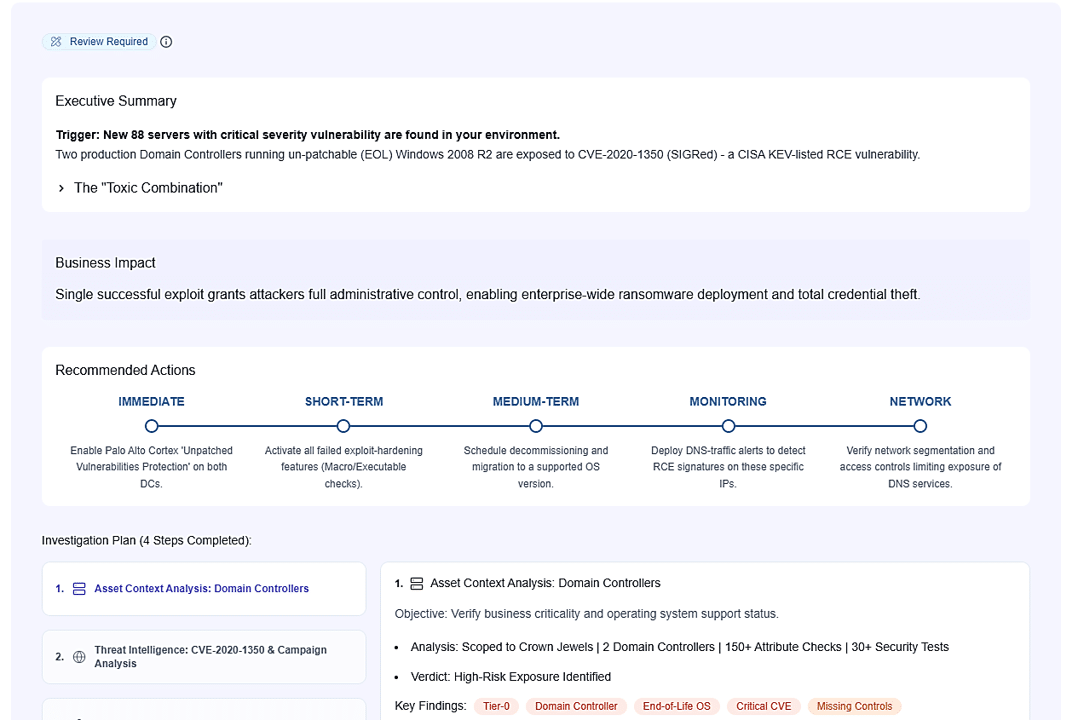

Analysts are buried in manual investigation
According to SANS, Security analysts spend up to 80% of their time on manual investigation and triage.

%
Wasted time
Automate investigation across tools

Correlate vulnerabilities, assets, controls, and threats in a single workflow
Eliminate pivoting across scanners, EDR, cloud, and identity tools
Deliver a validated exposure verdict with clear reasoning
Prioritize what actually requires action
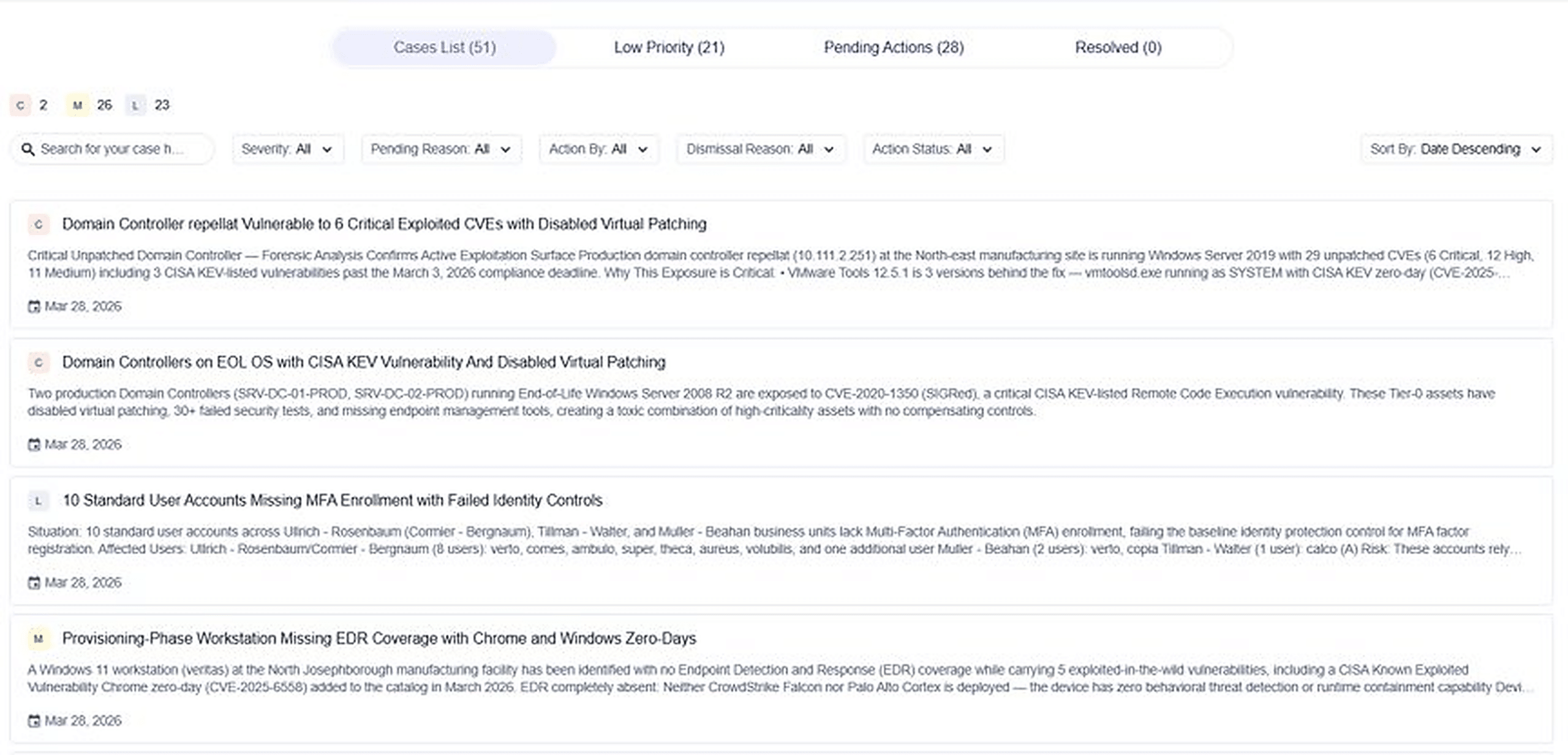
Evaluate exposure based on asset criticality, control coverage, and threat relevance
Suppress findings already mitigated by compensating controls
Focus teams on the work that reduces real risk
Drive remediation with clear ownership
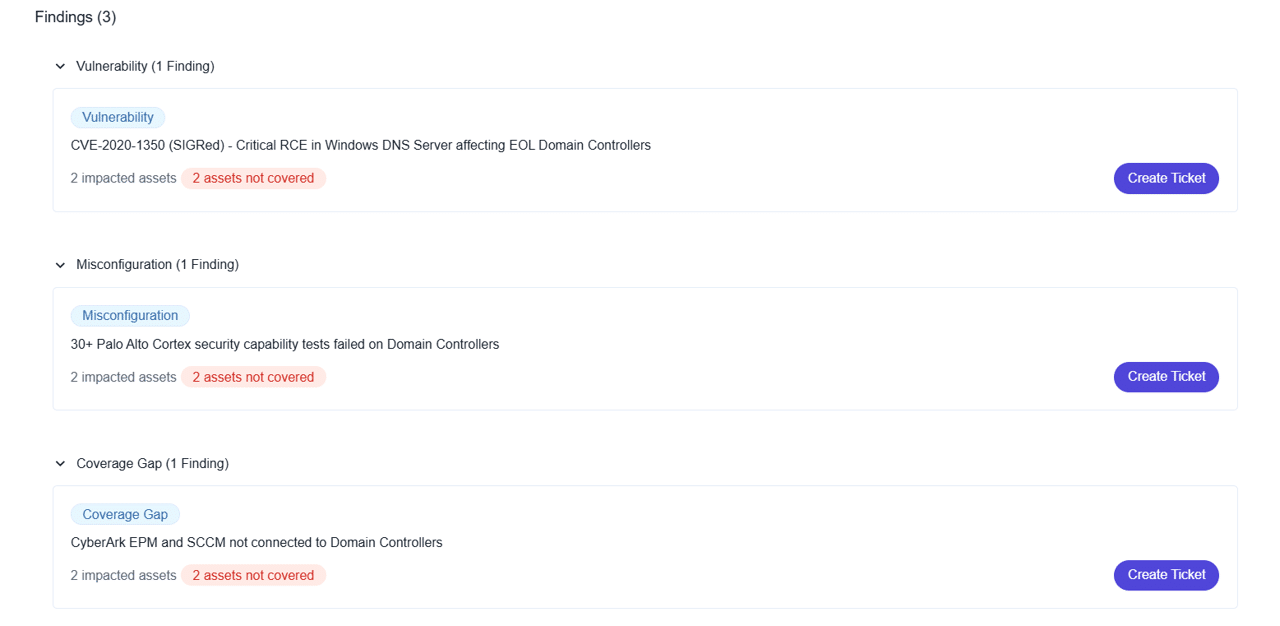
Route remediation to the right team with clear guidance
Provide multiple resolution paths, patch, harden, segment, or mitigate
Continuously reassess exposure as conditions change
What changes with Nagomi?




Nagomi security: your questions, answered
Discover how Nagomi unifies exposures, strengthens controls, and helps teams reduce risk with context, automation, and scale.
Does Nagomi replace existing SecOps tools?
What makes Nagomi’s prioritization different from other tools?
Can Nagomi identify “toxic combinations” that increase risk?
How does Nagomi ensure actions actually reduce risk?
Revolutionize your security operations





Ready
when
you are.