
Every exposure pathway Eliminated at the root
Always on. Always adapting. Always ahead.
Continuously investigate, catch, neutralize and close critical exposures, with your team of AI Exposure Eliminators powering your exposure operations.
Trusted for Fortune 500 scale









Balance is restored:
When adversaries make their move, you’ve already made yours
- Patching can’t keep up
- Adversaries outpace defenses
- Exposure overloading teams
Stop triaging lists
Step into the Agentic Operating Rhythm
Always-on Discovery
These agents mean business, continuously scanning your exposure surface at the asset level, sensing for every micro-change in your attack surface, control gaps, and vulnerabilities.
Contextual Investigation
Agents proactively hunt the exposure paths adversaries would actually exploit, then surface the full context: why it matters, what changed, and how to close it. You get the verdict, not the homework.
Targeted Neutralization
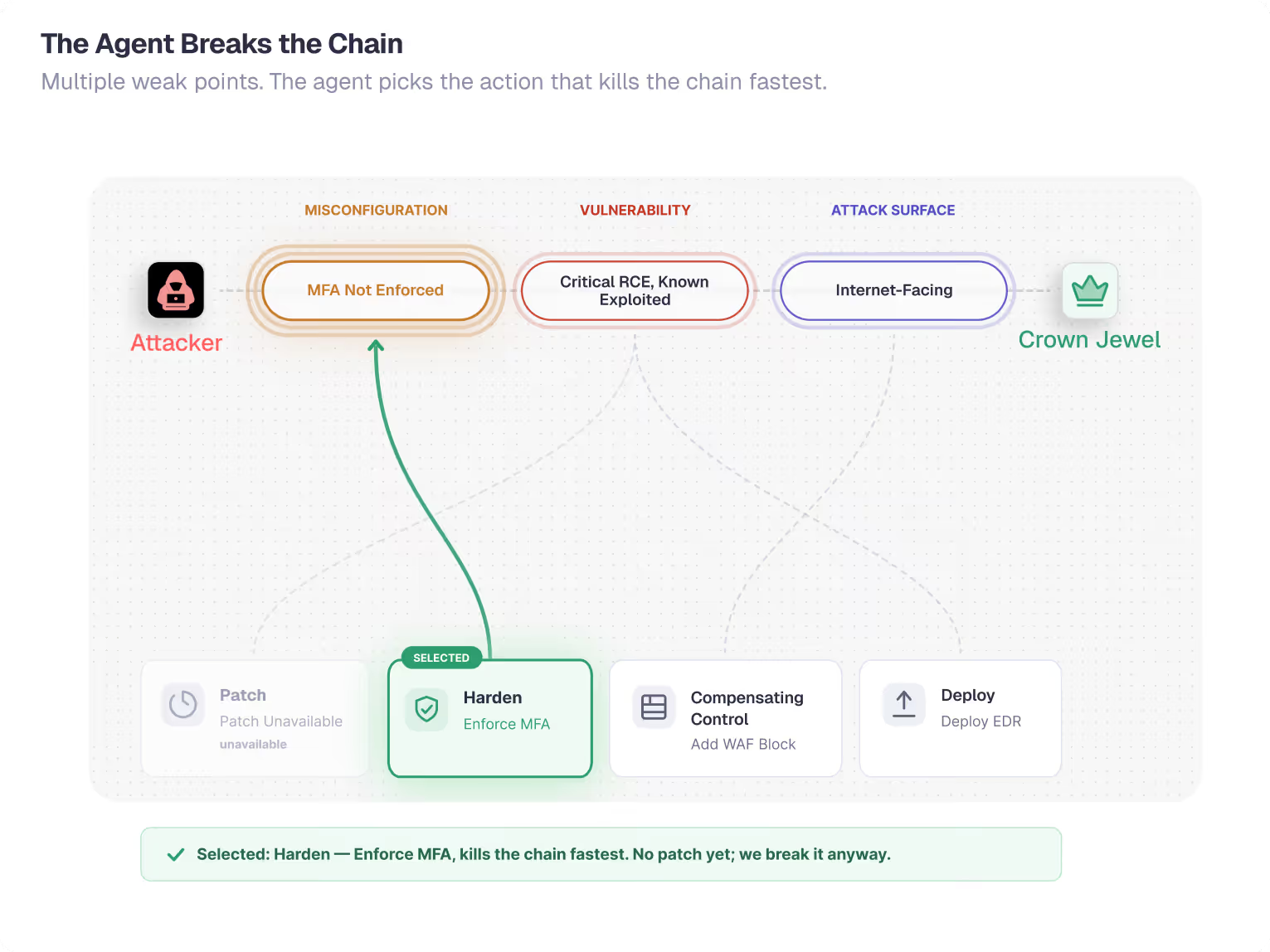
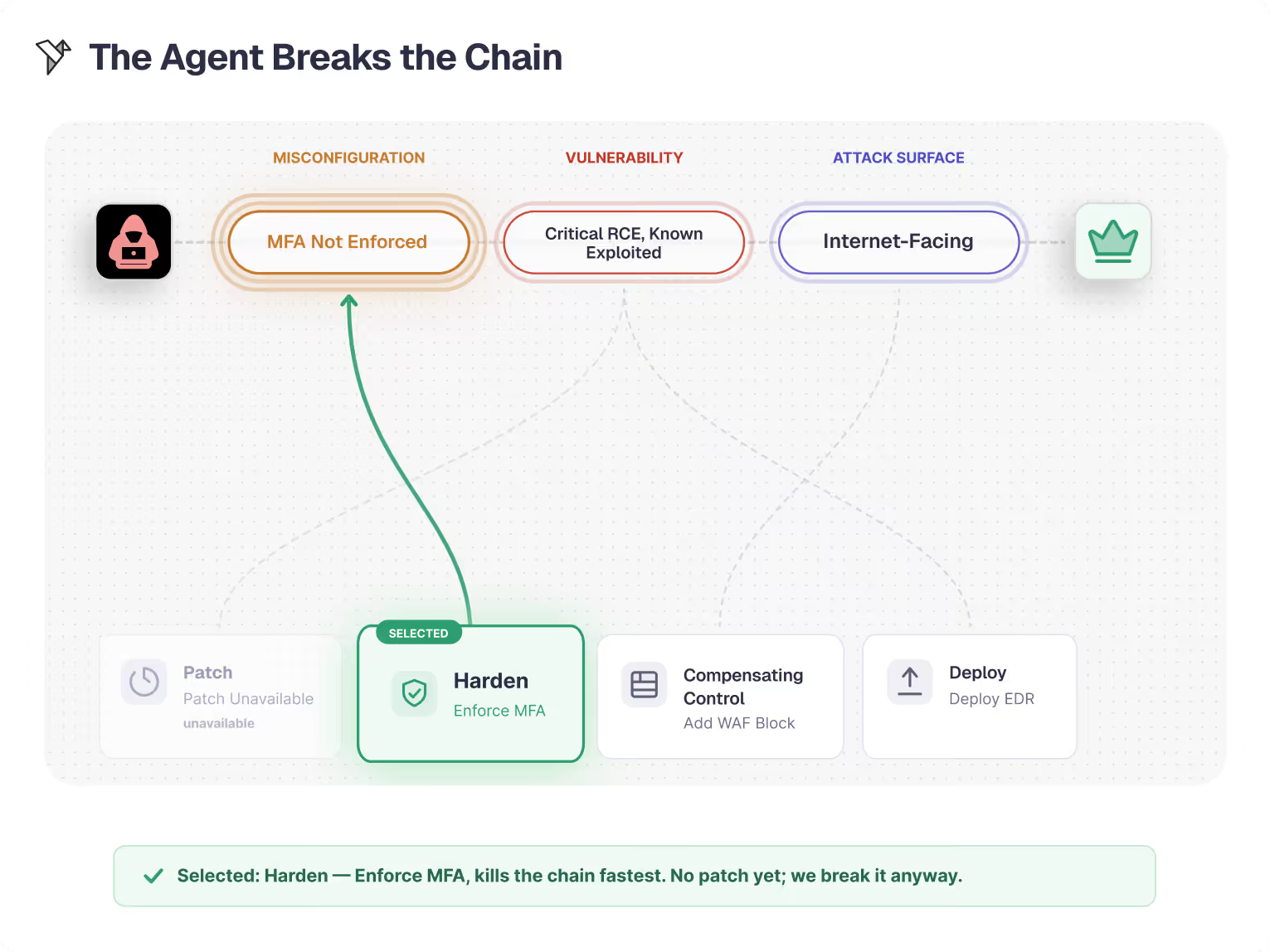
You confidently authorize one-click fixes, while the agents select the optimal path to neutralize each exposure: hardening configs, deploying controls, or patching when ready.
Validated Closure
A closed ticket isn't a closed exposure. The agent continuously verifies that fixes hold from the sensor itself, not from a ticket status.
WHAT CUSTOMERS SAY
The teams already ahead of their time
Join the security teams who lead with smarts, not speed.


"Other tools gave us dashboards. Nagomi turned exposure data into operational context that prioritizes response and verifies fixes at scale. This isn't visibility, it's remediation that actually holds."


"Nagomi was a wake-up call. It shows us exactly where coverage is missing and gives me the confidence to explain risk to the board with real data.”


"Nagomi enables proactive management without waiting for alerts, ensuring we get full value from our security investments."


"Nagomi gives us a central control point so specialists and operations teams can see risks, act quickly, and cut turnaround time."
Agentic Exposure Operations:
Your complete arsenal to catch and close every exposure before impact

Many tools see the same asset differently. Nagomi correlates them into one — with the full security picture attached.
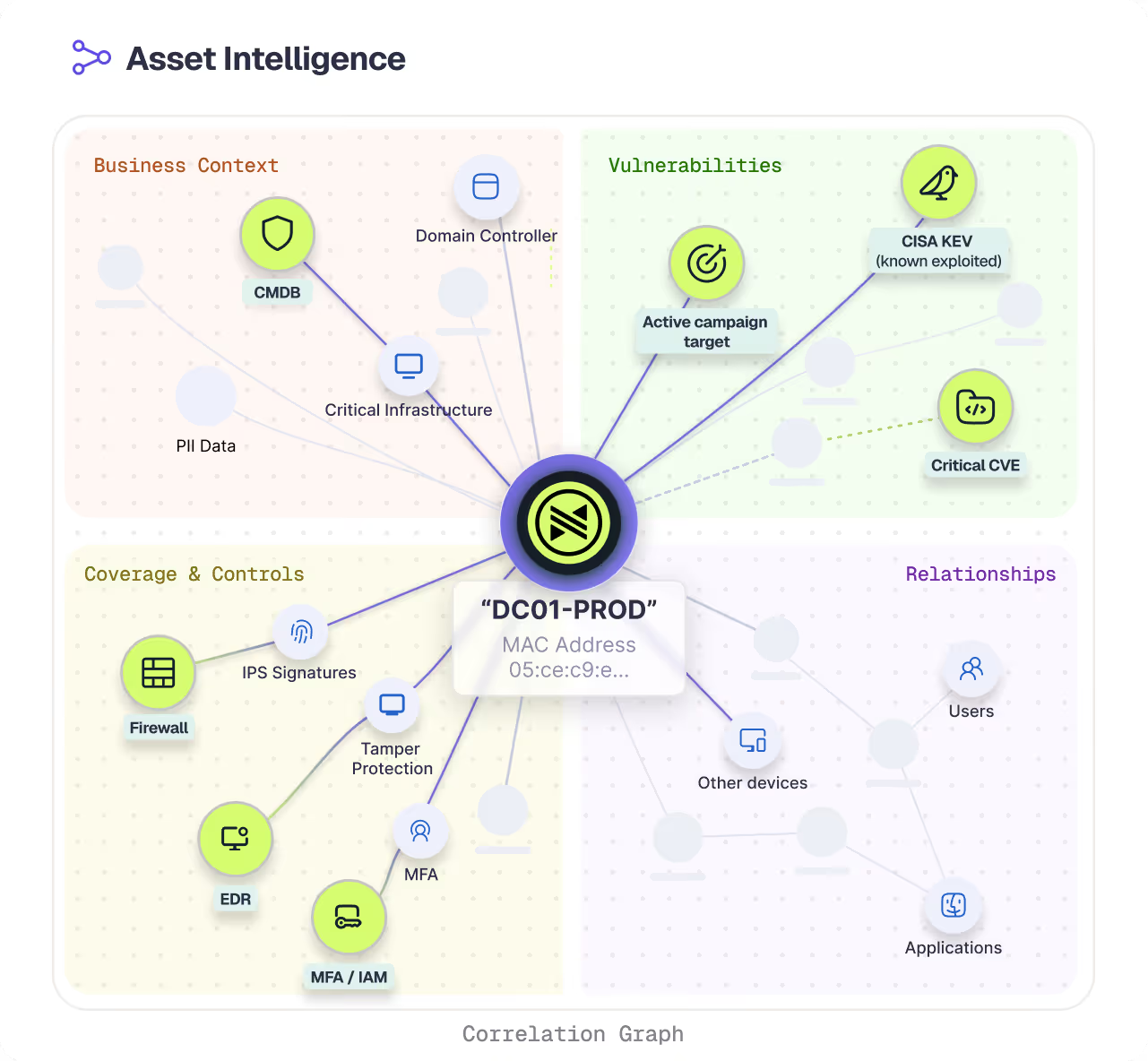

Eliminators don't dump findings on your queue. They check reachability, evaluate your existing controls, and chain what attackers would chain. The signal arrives pre-resolved. The noise never arrives at all.
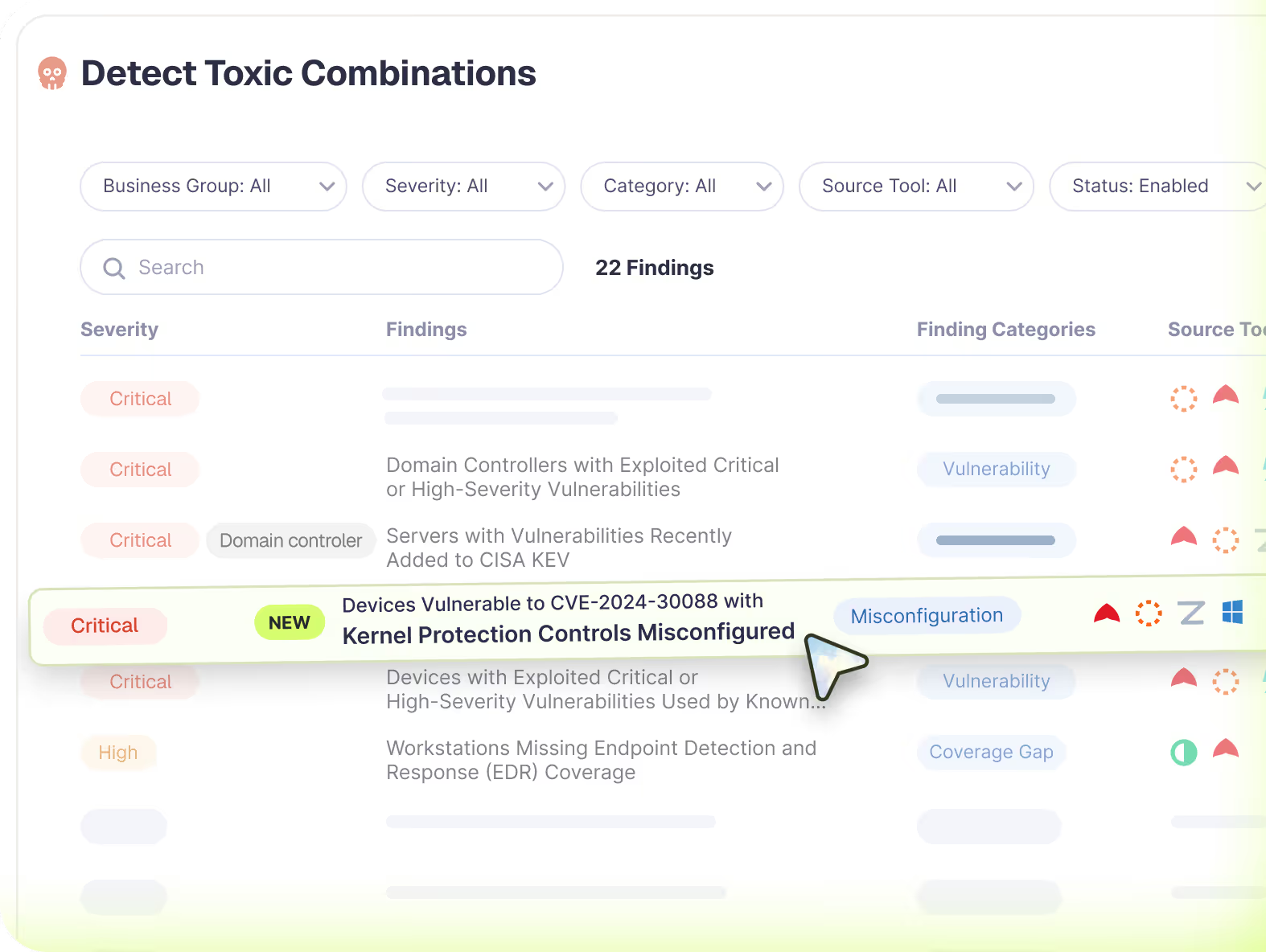

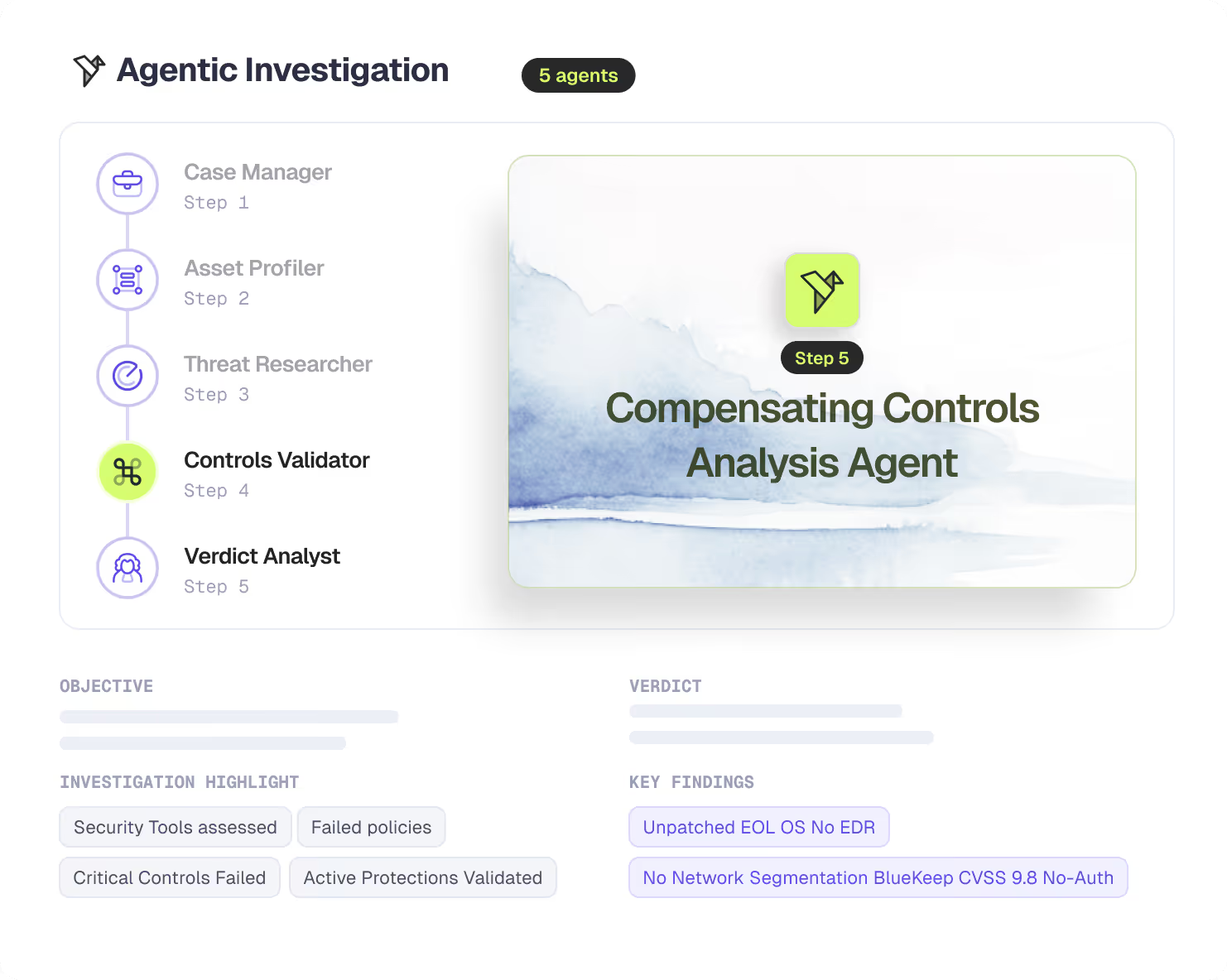
A team of specialists handles triage, enrichment, correlation, and validation in coordination, the way a great analyst would on their best day. They build the full case. They point to the action. You decide. The work is already done.
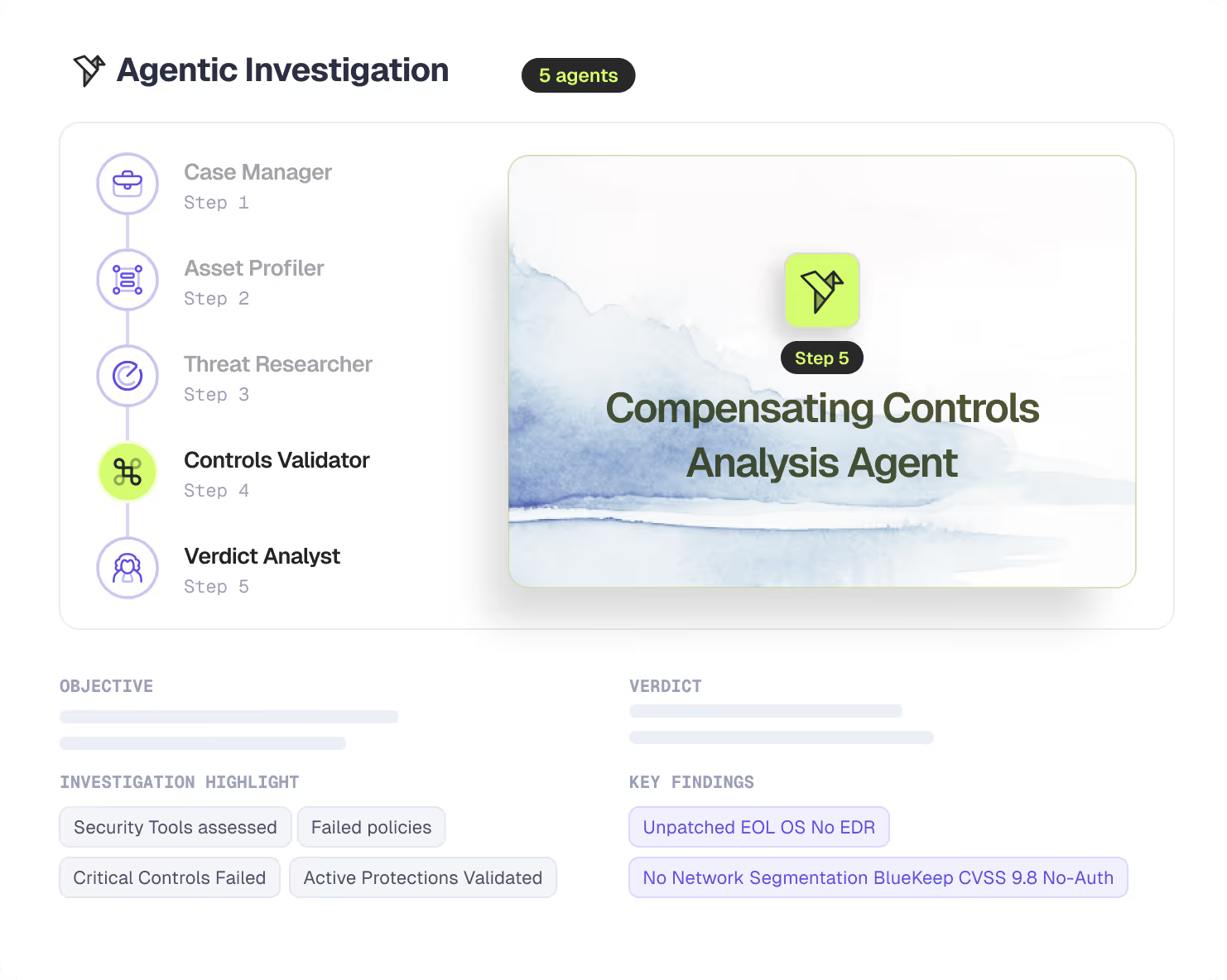

Configuration drift. Silent failures. Coverage gaps that opened last Tuesday. Eliminators continuously prove your defenses perform the way you designed them to. The moment something breaks, you know. Long before anyone tries to use it.
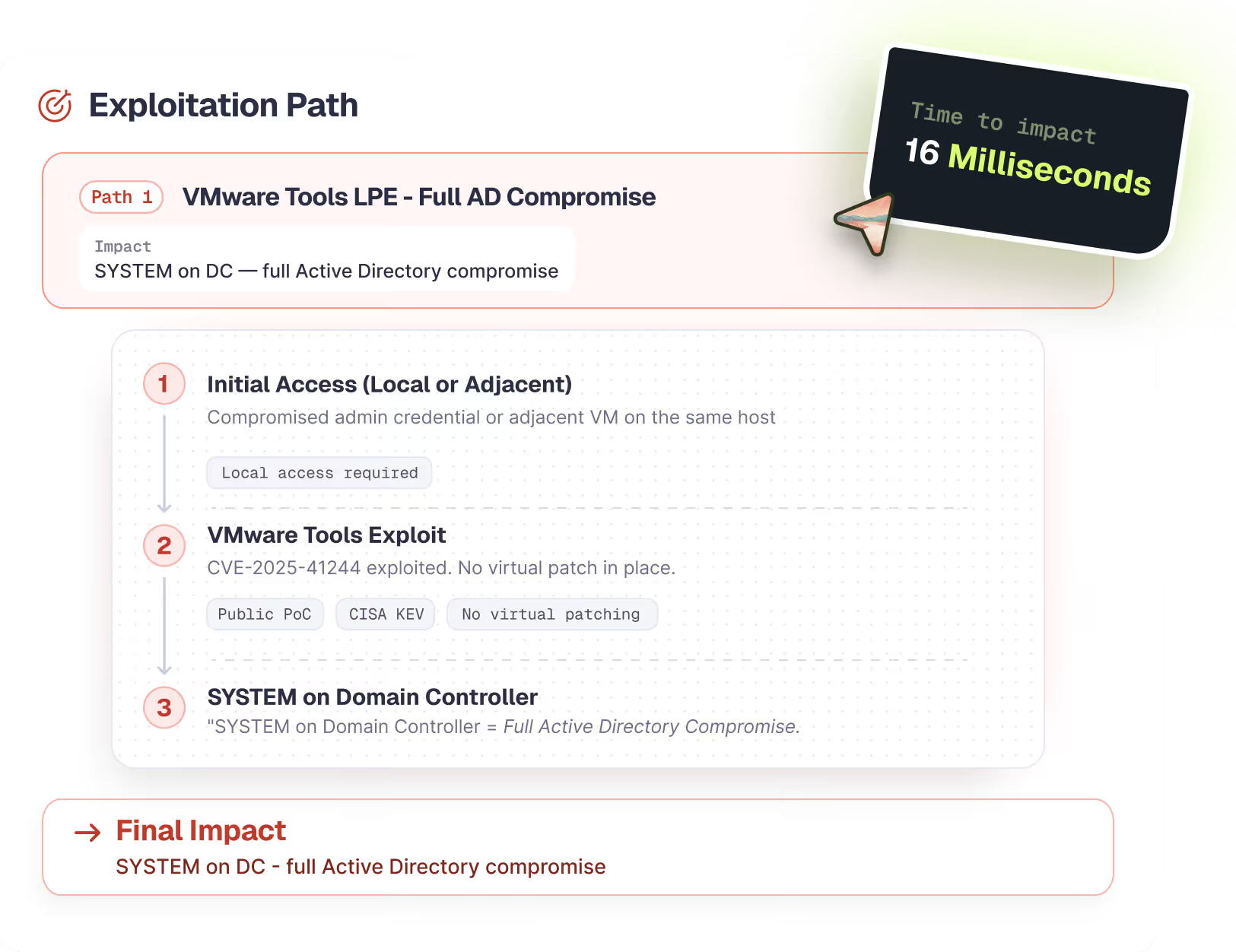

When new attacker behavior appears in the wild, Eliminators don't read about it, they test it. Against your environment. Against your controls. Against your chains. By the time the campaign reaches you, you've already closed what they came for.
FAQ
Never be unclear
Exposure management finds and prioritizes risk. Agentic Exposure Operations closes it at the root. Across identity, attack surface, misconfigurations, and vulnerabilities, it continuously investigates, catches, neutralizes, and validates the close, so nothing slips between tools. The shift is from managing exposure lists to closing the loop.
They’re autonomous where it matters. Agents run the full investigation, pick the neutralization path, route the work, and validate the close - all without prompting. You stay in the driver's seat on the decision itself: reviewing the case, approving the action. Your team owns the call. The agent owns the remediation loop.
Not your controls or scanners. Nagomi connects to the EDR, identity, firewalls, and vulnerability tools you already own to build a single, correlated exposure picture. We don’t replace your investments—we replace your headaches. Standalone RBVM and CAASM consoles collapse into one agentic operating model. Your controls stay. The overlay goes.
All of them. Vulnerabilities, misconfigurations, identity exposures, attack surface changes, control gaps, and the toxic combinations that form when they compound. The kinds that look low-priority alone but chain into breaches. The kinds attackers actually exploit.
Vulnerability tools just prioritize lists. CTEM is a framework—it tells you what to worry about, but leaves you to fix it. Agentic Exposure Operations actually handles the execution. Nagomi automatically investigates, neutralizes, and validates every close. The shift is simple: move from endlessly managing risk to permanently eliminating it.
Simple and painless. We connect seamlessly via read-only APIs, meaning there are no software agents to deploy on your endpoints. Within days—not quarters—your unified exposure picture is built, and your AI Exposure Eliminators are actively running investigations against live environment changes. No infrastructure changes, no rip-and-replace.
Own your exposure surface
before AI can exploit it
Boost your passive defense to autonomous execution.
Deploy your team of AI Exposure Eliminators today.